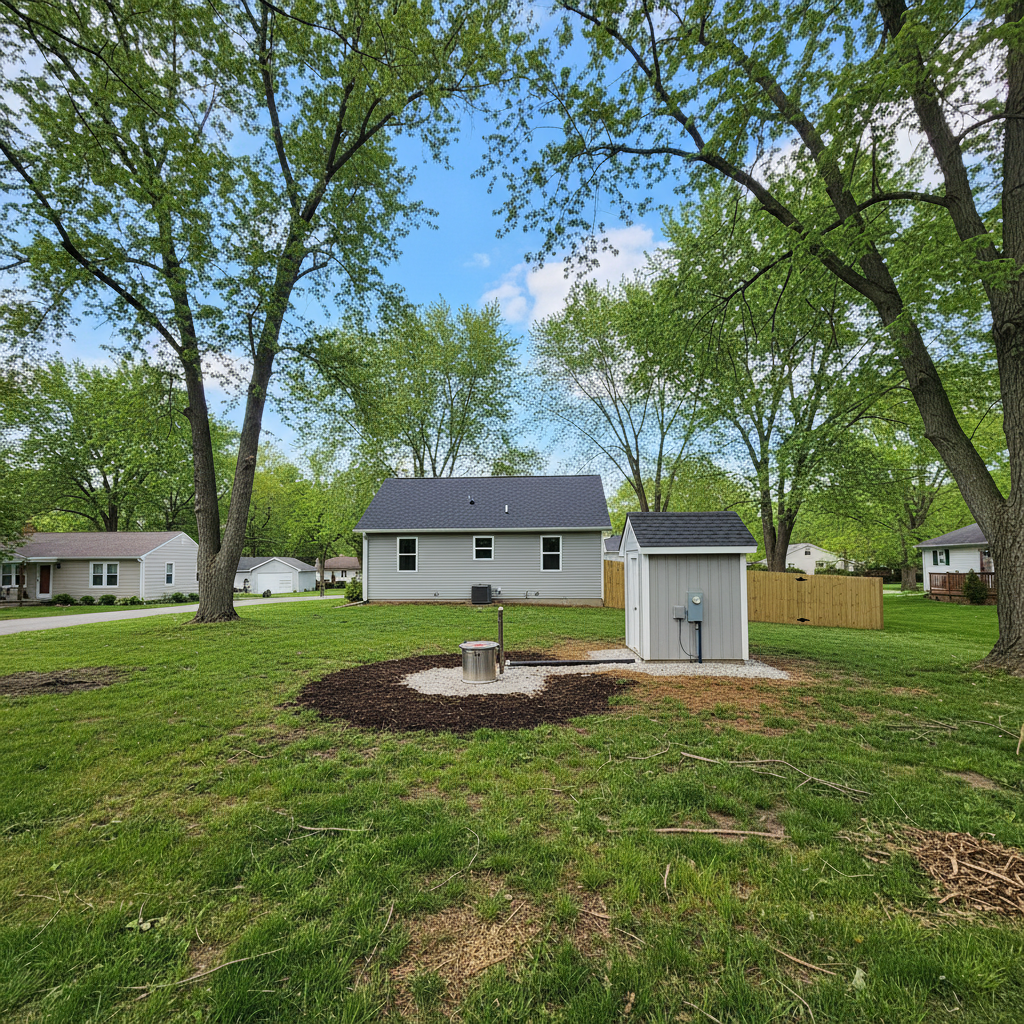
So, you're considering drilling a new well on your property here in Akron. That's a big decision, and it's one that can save you a lot of money on water bills over the long haul, not to mention giving you control over your own water supply. But it's not like ordering a pizza; there's a process involved, and you'll want to be prepared. I've been doing this for years with All Things Well Drilling, and I've seen folks go into it blind, which usually leads to headaches. Let's make sure that's not you.
Understanding Your Well Drilling Timeline
People often ask me, "How long does it take to drill a well?" My answer is always, "It depends." The actual drilling part? That can be anywhere from a day to a few days, depending on the depth and the geology we hit. Here in Northeast Ohio, especially around areas like the Portage Lakes where we see a mix of shale and sandstone, it's usually pretty straightforward, but you can always hit a tricky spot.
But the drilling itself is just one piece of the puzzle. The whole process, from your first call to having potable water flowing into your house, can easily stretch over several weeks, sometimes even a couple of months. Here's a rough breakdown:
- Initial Consult & Site Visit: This is where I come out, look at your property, talk about your water needs, and figure out the best spot for the well. We'll discuss potential depths, local regulations, and give you an initial estimate. This usually takes a few days to get scheduled and done.
- Permitting: This is often the longest part. You can't just start digging. We need permits from the local health department, and sometimes other county or state agencies. This can take anywhere from two weeks to over a month, depending on how busy they are and if there are any specific local ordinances we need to navigate.
- Scheduling & Drilling: Once permits are in hand, we get you on the schedule. As I said, the drilling itself is quick.
- Well Development & Testing: After drilling, we develop the well to ensure good water flow and then take samples for water quality testing. This usually takes another week or two for lab results.
- Pump Installation & Hookup: Once we know the water's good, we install the pump, pressure tank, and connect it to your home's plumbing. This is another day or two of work.
So, when you're planning, think weeks, not days. Don't expect to call us Monday and have water by Friday.
What to Expect During the Process
When we show up to drill, it's going to be a bit of an operation. We're bringing some serious equipment – a drill rig, a support truck, and a water truck. This stuff is big and heavy. You'll see:
- Noise: Drilling is loud. There's no getting around it. We do our best to be considerate, but it's not a quiet job.
- Mud & Mess: We're digging a hole in the ground, and we're using water to do it. There will be mud, especially if it's been rainy. We try to keep it contained, but expect some disruption to your yard around the drill site. We'll clean up as much as possible when we're done, but the area will need some time to recover.
- Temporary Disruption: You might have limited access to certain parts of your yard while we're working. We'll communicate clearly about what areas will be active.
- Water Flow: We'll need a water source for the drilling process itself. Sometimes we can use your existing hose spigot if you have city water, or we'll bring our own water truck.
It's a construction project, plain and simple. It's exciting because you're getting a well, but it's also going to be a temporary inconvenience. Just be ready for it.
How to Prepare Your Property
Before we even show up, there are a few things you can do to make the process smoother for everyone:
- Clear the Path: Make sure there's a clear, wide path for our trucks and equipment to get to the proposed drill site. That means moving cars, boats, RVs, garden ornaments, or anything else that might be in the way.
- Mark Utilities: While we'll call 811 to have public utilities marked, it's your responsibility to mark any private lines. Think sprinkler systems, septic lines, invisible dog fences, private electrical lines to sheds or detached garages, or even old, abandoned well lines. If it's not publicly owned, you need to show us where it is.
- Know Your Septic: If you have a septic system, know where the tank and leach field are. We absolutely cannot drill near or through those.
- Trim Trees: If the drill site is near trees, trim back any low-hanging branches that might interfere with our tall rig.
- Talk to Neighbors: Give your neighbors a heads-up. Let them know there's going to be some noise and activity for a few days. It's just good neighborly practice.
The more prepared you are, the less chance of delays or unexpected issues once we start.
Questions to Ask Before Signing a Contract
Before you commit to any contractor, including us, you need to be asking a lot of questions. Don't be shy. This is a big investment.
- What's included in the estimate? Does it cover permitting, drilling, casing, pump, pressure tank, water testing, and hookup to the house? Or are some of those separate? You don't want surprises later.
- What's your estimated depth and cost per foot? And what happens if you hit water sooner or have to go deeper? How does that affect the price?
- What kind of warranty do you offer on the well and the pump system? How long does it last, and what does it cover?
- Are you licensed and insured? Ask to see proof. Any reputable contractor will have no problem providing this.
- What's your typical lead time once permits are approved? This helps you manage your own expectations for the project timeline.
- How do you handle water quality issues? If the initial test shows something unexpected, what's the next step?
- Can you provide references from other homeowners in the Akron area? It's always good to hear from people who've actually used their services.
- What's the payment schedule? Do you require a deposit? When are other payments due?
Getting a new well is a fantastic way to secure your own water future. Just make sure you go into it with your eyes wide open, ask the right questions, and work with someone you trust. We're here to help make that process as smooth as possible for you.