What's Environmental Drilling Anyway?
Let's clear something up right off the bat: environmental drilling isn't the same as drilling a water well for your home. While both involve putting a hole in the ground, the purpose and methods are pretty different. Environmental drilling is usually about investigating soil or groundwater contamination, installing monitoring wells, or sometimes even remediation systems. It's often required by state or federal regulations, or when you're buying or selling a commercial property and need to know what's underground.
You're not just paying for a hole; you're paying for specialized equipment, highly trained crews, and often, the careful handling of potentially hazardous materials. It's a precise job with a lot of regulations to follow, and that's why it costs what it does.
What Drives the Price Tag?
A lot of factors go into the final cost of an environmental drilling project. It's not a one-size-fits-all kind of deal, but here are the big ones I see affecting prices around Akron:
- Depth and Diameter of the Borings: This is probably the most obvious. Deeper holes take more time, more drill rod, and more effort. Wider holes mean more material removal. A 2-inch monitoring well drilled 30 feet deep is a lot cheaper than a 6-inch remediation well going down 100 feet.
- Geology: This is a huge one in our area. If we hit a lot of hard shale or sandstone, which is common around places like the Cuyahoga Valley, it slows things down significantly. Soft clay and sand are much easier and faster to drill through. The harder the ground, the more wear and tear on equipment, and the longer the job takes.
- Type of Drilling Method: There are several ways to drill, and each has its own cost. Hollow stem auger is often the most common and cost-effective for shallower depths in unconsolidated soils. If you need to go deeper into rock, you might need air rotary or mud rotary, which are more expensive per foot due to the equipment and materials involved. Direct push (Geoprobe) is great for shallow soil sampling but has limitations.
- Site Access and Conditions: Can we get our rig right up to where we need to drill? Is it a tight urban spot in Highland Square, or an open field? Is there overhead power lines or underground utilities we need to worry about? Difficult access, uneven terrain, or the need for traffic control can add to the cost.
- Contaminant Type and Handling: If we're dealing with known hazardous materials, there are strict protocols for health and safety, waste disposal, and decontamination. This means specialized personal protective equipment (PPE), containment measures, and proper disposal of drill cuttings and decontamination water, all of which add to the project cost.
- Number of Borings/Wells: Drilling 10 shallow soil borings is usually more cost-effective per boring than drilling a single deep monitoring well because of mobilization costs.
- Sampling and Reporting Requirements: The number and type of soil or groundwater samples required, and the level of detail needed in the drilling log and final report, can also impact the price.
Typical Cost Ranges You Might See
I know you want numbers, so here's a general idea of what you might expect for common environmental drilling projects. Remember, these are rough estimates for our Akron market and can vary wildly based on the factors I just mentioned:
- Shallow Soil Borings (10-30 feet deep, 2-4 inch diameter): For basic soil sampling, you might be looking at anywhere from $300 to $800 per boring, not including lab analysis. This is often done with direct push or hollow stem auger.
- Monitoring Wells (25-75 feet deep, 2-inch diameter): Installing a single 2-inch monitoring well can run you from $1,500 to $4,000, sometimes more for very challenging conditions or deeper wells. This includes the drilling, well materials, and development.
- Deeper or Larger Diameter Wells (75-150 feet deep, 4-6 inch diameter): These can easily range from $4,000 to $10,000+ per well, especially if we're hitting a lot of rock or dealing with complex geology.
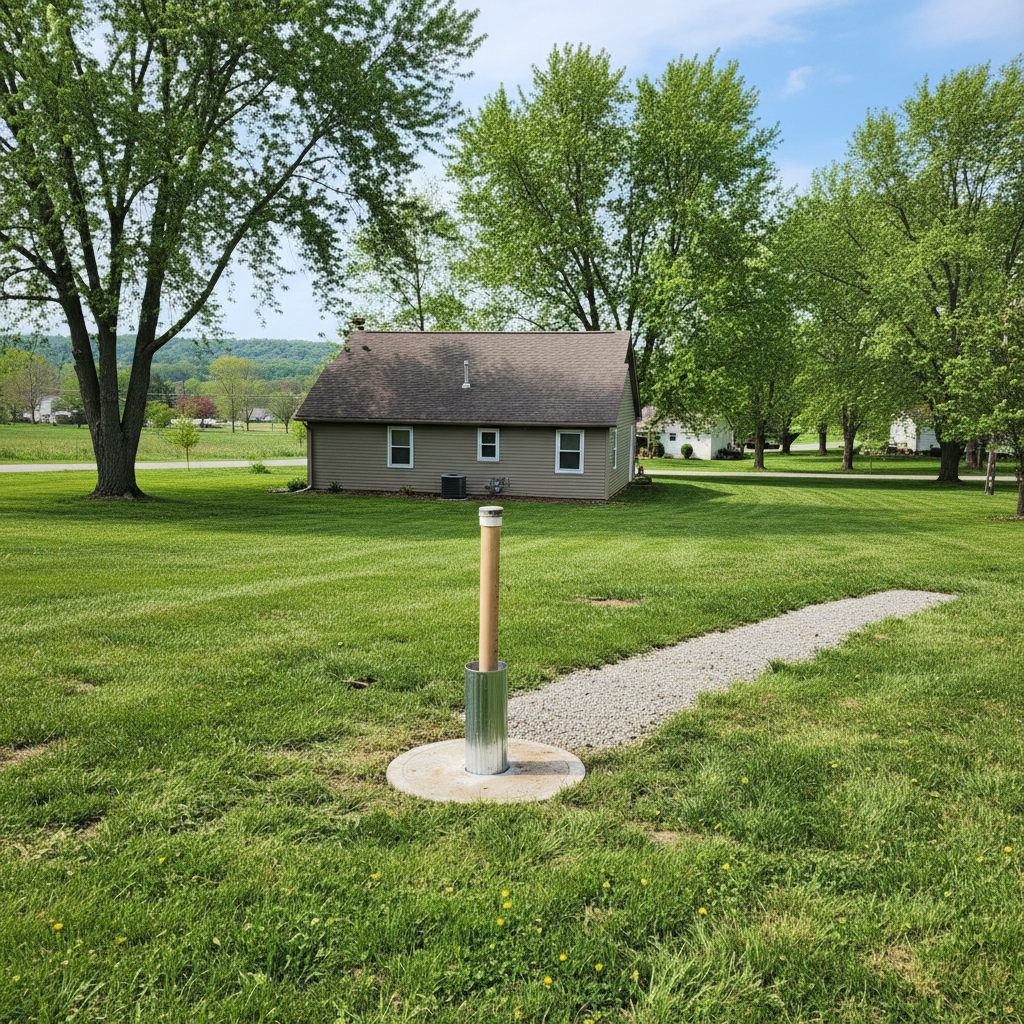
These figures typically include mobilization to the site, drilling time, well materials (PVC casing, screen, filter pack, bentonite seal, concrete pad, protective casing), and basic well development. They usually don't include things like surveying, lab analysis of samples, or extensive site restoration beyond backfilling. Always clarify what's included!
What Should a Good Quote Include?
When you get a quote from a company like All Things Well Drilling, you should expect a clear breakdown. A good quote isn't just a single number; it details the scope of work. Here's what I always try to put in writing for my customers:
- Mobilization/Demobilization: Cost to get the rig and crew to and from your site.
- Drilling Method and Footage Rate: How we'll drill and the cost per linear foot for each boring/well.
- Materials: Itemized costs for well casing, screen, filter pack, bentonite, concrete, well caps, etc.
- Crew Labor: Hourly or daily rates for the drilling crew.
- Waste Management: How drill cuttings and decontamination water will be handled and disposed of. This can be a significant cost if it's hazardous.
- Standby Time: What happens if we're on site but waiting for something (like a utility markout or a consultant's approval).
- Optional Services: Things like specific sampling techniques, well development beyond the standard, or special site restoration.
- Exclusions: What's NOT included, like lab analysis, permits, or utility locating (though we often coordinate these).
How to Avoid Overpaying
Nobody wants to throw money away, especially on something like environmental drilling. Here are my tips:
- Get Multiple Quotes: Don't just go with the first company you call. Get at least two or three quotes to compare. Make sure they're quoting on the exact same scope of work.
- Be Specific About Your Needs: The more information you can give the drilling contractor upfront (site maps, historical reports, target depths, geology reports if available), the more accurate their quote will be. Vague requests lead to vague, often higher, estimates.
- Understand the Scope: Read the quote carefully. Make sure you know exactly what's included and what's not. Ask questions if anything is unclear.
- Consider the Contractor's Experience: An experienced contractor who knows the local geology and regulations can often complete the job more efficiently, saving you money in the long run by avoiding costly mistakes or delays.
- Plan Ahead: Last-minute, rush jobs almost always cost more. Give your contractor enough lead time to schedule efficiently.
Environmental drilling is a necessary part of many projects, and while it's an investment, understanding the costs involved will help you budget effectively and ensure you're getting a fair price for the work. If you've got questions about a specific project here in the Akron area, don't hesitate to reach out.